Building Envelope Investigations
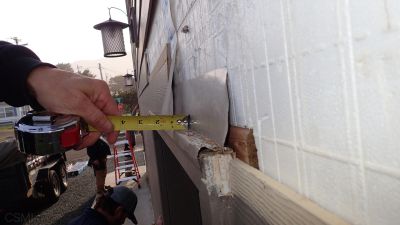
The building envelope is intended to manage water, air, vapor, and environmental exposure while protecting the interior building structure.
Investigations may involve:
- Roofing
- Waterproofing
- Exterior cladding
- Weather-resistive barriers
- Flashings
- Sealants
- Windows and doors
- Decks and balconies
- Exterior penetrations
- Transitions between different building materials
Evaluation may include investigation of water-entry paths, drainage, flashing configuration, installation sequencing, material compatibility, manufacturer requirements, and comparison of constructed conditions with plans and specifications.




Plumbing Systems
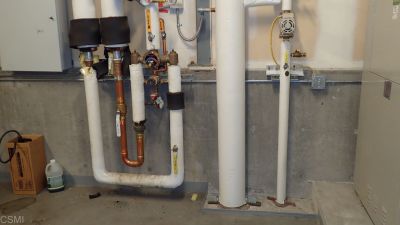
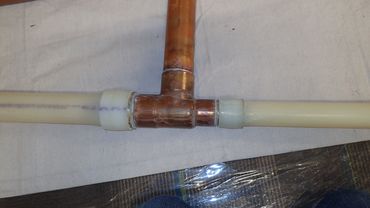
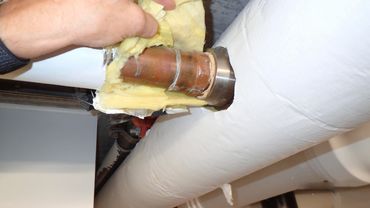
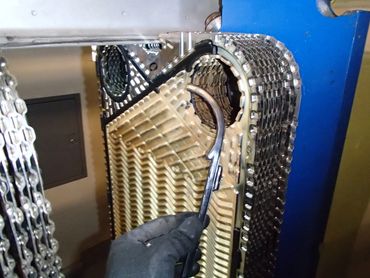
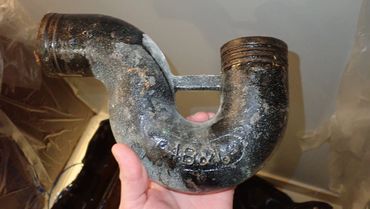
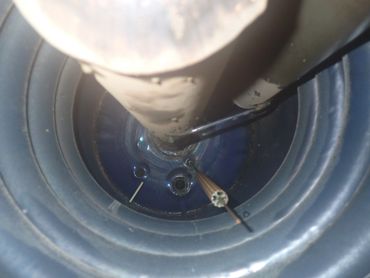
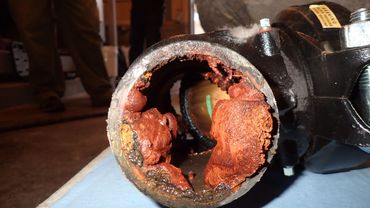
Plumbing-system investigations represent a significant area of Mr. Rapp's forensic experience.
His prior work includes plumbing-related investigations in more than 46 mid- and high-rise buildings, including evaluation of system performance, installation, materials, maintenance, and operating conditions.
Investigations may involve:
- Domestic hot- and cold-water systems
- Recirculation systems
- Plastic piping
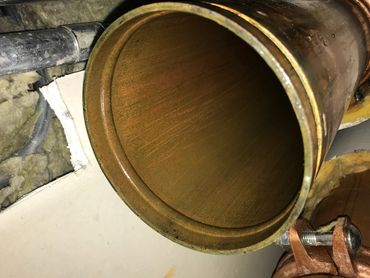
- Metallic piping and components
- Pumps
- Valves
- Installation configuration
- System operation
- Flow and temperature conditions
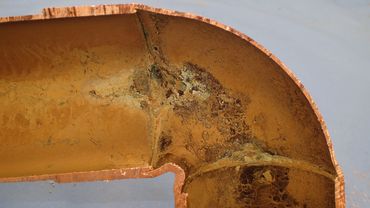
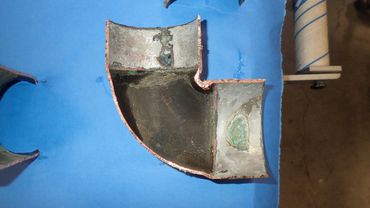
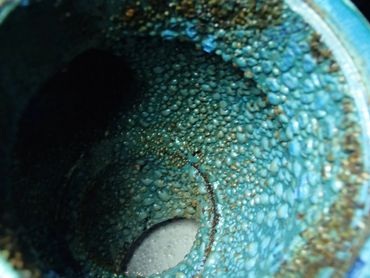
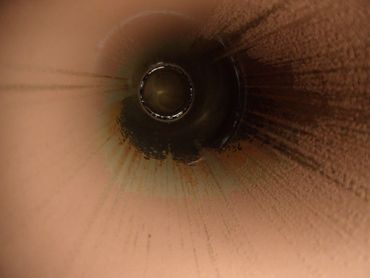
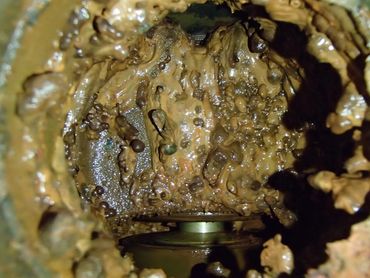
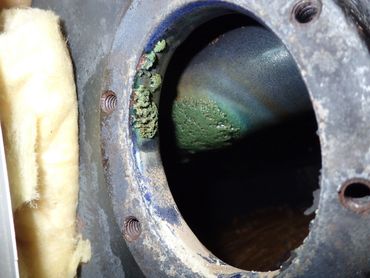
- Material degradation
- Manufacturer requirements
A plumbing failure may require analysis of both the physical material and the mechanical system in which that material operated.
Construction Workmanship & Sequencing
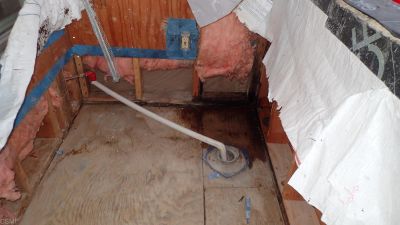
Many construction disputes involve more than whether a component is damaged. They involve questions about how the work was performed.
Mr. Rapp's construction background includes responsibility for plans and specifications, trade coordination, sequencing, staging, material selection, quality assurance, building inspections, subcontractor work, warranty work, and project completion.
That experience provides a practical basis for evaluation of:
- Construction sequencing
- Workmanship
- Coordination between trades
- Scope-of-work responsibilities
- Installation methods
- Manufacturer requirements
- Quality-control issues
- Repairs and corrective work
- Maintenance responsibilitiesInvestigative methods may include field measurement, photography, LiDAR scanning, three-dimensional modeling, review of applicable codes and standards, and documentation of the physical environment.
Plans, Specifications & As-Built Conditions
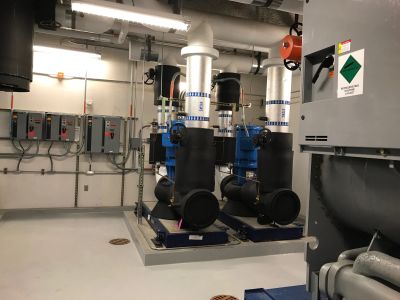
An important component of forensic investigation is determining whether the physical building corresponds with the requirements established for the project.
This may include review of:
- Architectural drawings
- Structural drawings
- Mechanical drawings
- Specifications
- Submittals
- Shop drawings
- Requests for information
- Change orders
- Manufacturer installation requirements
- Inspection records
- Photographs
- Repair documentation
Observed field conditions can then be compared with the available construction documents to identify relevant differences and understand their significance.The objective is to evaluate whether the proposed scope and associated construction costs are supported by the observed conditions and the work reasonably required.
Concrete, Settlement & Site Conditions

Forensic investigation may also involve site and concrete conditions such as:
- Cracking
- Differential movement
- Surface conditions
- Slope
- Drainage
- Settlement
- Changes in elevation
- Walkway configuration
Where useful, LiDAR scanning and three-dimensional modeling can be used to document elevations and create topographical or spatial representations of existing conditions.
This can be particularly helpful where subtle changes in slope, settlement, elevation, or geometry are difficult to communicate through photographs alone.